How Regulatory Frameworks Shape Thematic Symbol Choices in International Reel Development Pipelines
Written by Elena Hoffmann · Oct 12, 2026
How Regulatory Frameworks Shape Thematic Symbol Choices in International Reel Development Pipelines
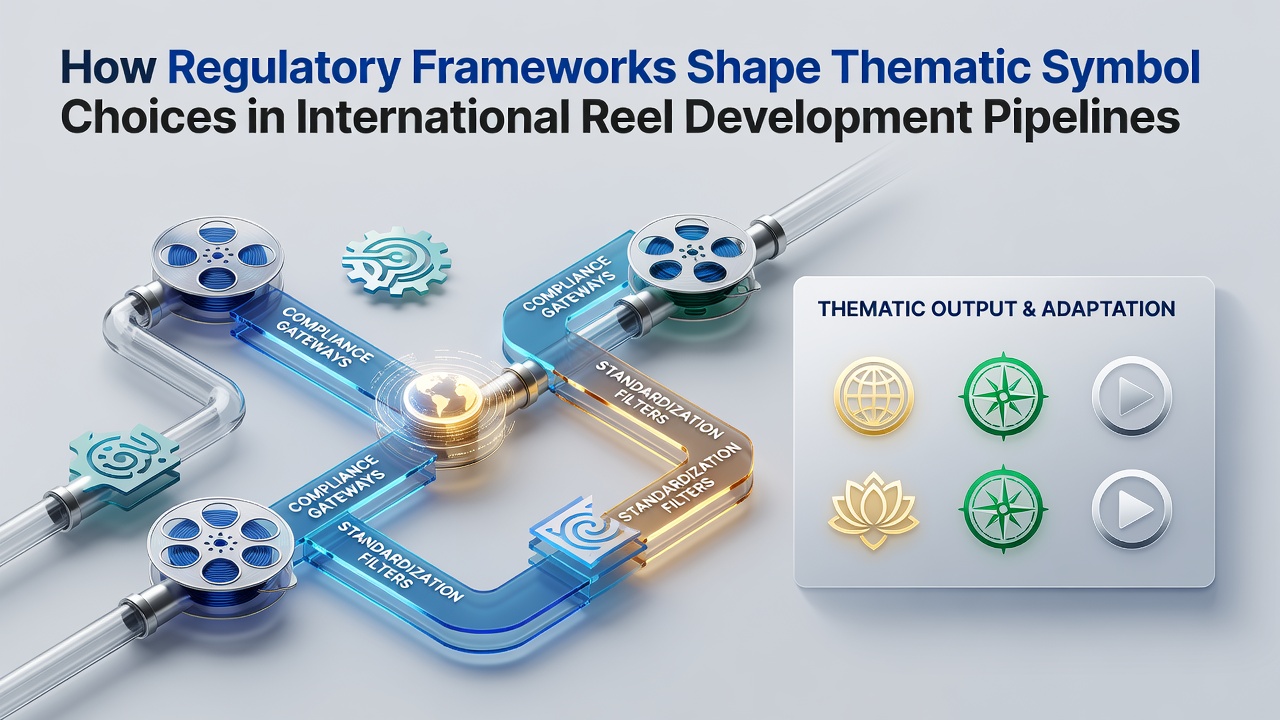
Regulatory frameworks in multiple jurisdictions establish clear boundaries on thematic symbols that appear in slot reel development, forcing production pipelines to adapt content before global distribution occurs. Developers review licensing conditions from various authorities, then modify iconography, narratives, and visual elements to satisfy each market's specific rules while preserving core gameplay mechanics. Data from industry reports indicate that these adjustments occur early in the design phase, often before testing begins in certified environments.
Regional Differences in Symbol Restrictions
European markets enforce guidelines that limit depictions of certain historical figures, religious motifs, and promotional imagery tied to alcohol or tobacco products, according to records maintained by the European Gaming and Betting Association. In contrast, North American regulators such as those operating under the New Jersey Division of Gaming Enforcement require additional scrutiny of violence-related graphics and gambling glorification elements. Australian oversight bodies, including the Australian Communications and Media Authority, add further layers by monitoring cultural representation standards that affect indigenous symbols and wildlife imagery.
Production teams therefore maintain separate asset libraries for each region, swapping out prohibited icons during the localization stage of international pipelines. This process relies on compliance checklists that document every symbol change, ensuring that final builds align with certification protocols before release.
Impact on Narrative and Visual Design Pipelines
International reel development follows structured workflows where regulatory reviews happen at multiple checkpoints. Designers first create base themes, then subject those concepts to legal analysis that identifies potential violations across target territories. Research from the University of Nevada's gaming studies program shows that teams frequently revise character representations and background elements to avoid cross-border conflicts, resulting in more generalized icon sets that travel more easily between markets.

October 2026 updates from several certification labs highlighted increased emphasis on digital accessibility standards that intersect with thematic choices, particularly around color palettes and contrast levels used in regulated symbols. These requirements push developers to select designs that remain legible while satisfying both visual and content rules.
Case Examples from Licensed Markets
One studio working on a multi-jurisdictional title replaced specific weapon icons with abstract geometric shapes after feedback from Canadian provincial regulators, allowing the game to proceed through approval without delays. Another project involving sports-themed reels adjusted team logos and trophy representations to meet varying sponsorship disclosure rules in different U.S. states. Observers note that these modifications typically extend development timelines by several weeks, yet they prevent costly post-launch revisions.
Figures from the International Association of Gaming Regulators reveal that symbol-related compliance issues account for a measurable portion of rejected submissions each quarter, underscoring the need for early integration of regulatory input into creative decisions.
Technical Adaptations in Development Tools
Modern reel development platforms incorporate modular asset systems that let teams toggle symbol sets based on jurisdiction parameters. These tools track version history for each regulatory variant, creating audit trails that support certification submissions. Engineers integrate conditional rendering logic so the same underlying code base delivers compliant visuals depending on the player's location, reducing the need for entirely separate game builds.
Industry reports compiled in late 2026 document growing adoption of automated compliance scanners that flag potential issues during initial asset creation, shortening the feedback loop between designers and legal reviewers.
Conclusion
Regulatory frameworks continue to influence thematic symbol selection throughout international reel development pipelines by requiring systematic review and adaptation at every stage. Production teams respond with flexible asset management, modular design approaches, and ongoing coordination with certification bodies across regions. The result is a structured process where compliance requirements shape visual and narrative choices while enabling broader market access for finished titles.