How Haptic Feedback Calibration Aligns with Reel Outcome Probabilities to Influence Extended Engagement in Multi-Jurisdictional Digital Platforms
Written by Elena Hoffmann · Aug 31, 2026
How Haptic Feedback Calibration Aligns with Reel Outcome Probabilities to Influence Extended Engagement in Multi-Jurisdictional Digital Platforms
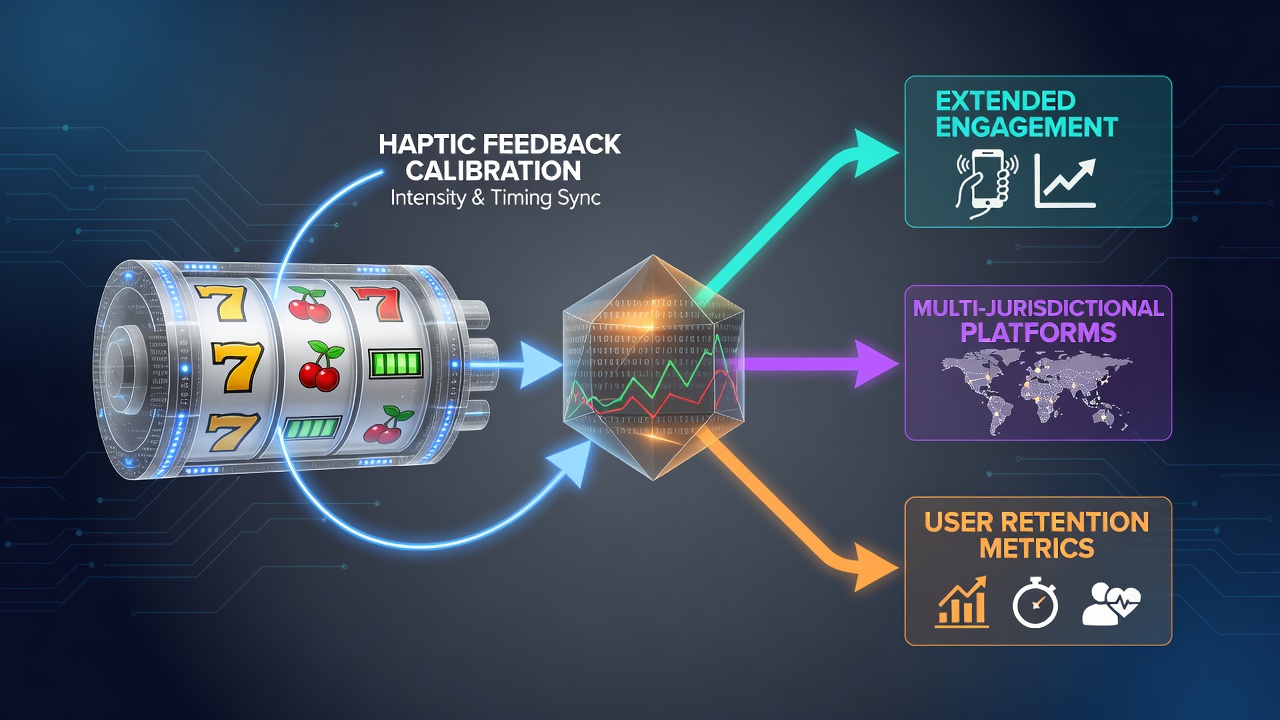
Platforms operating across multiple regions have integrated haptic systems that adjust vibration intensity and timing based on calculated reel probabilities, and this calibration process connects directly to session length data collected in licensed environments. Operators track how specific tactile cues correspond to near-miss sequences or bonus triggers, then refine those signals so they match the underlying random number generator distributions approved by regulators in each jurisdiction.Technical Calibration Process Across Borders
Engineers map reel outcome probabilities to haptic patterns by assigning distinct vibration profiles to different event categories, such as low-probability high-reward spins versus frequent small returns, while software layers these signals onto existing mobile device actuators. In August 2026 several multi-state operators reported updates to their calibration algorithms that incorporated jurisdiction-specific latency requirements, ensuring consistent delivery of feedback even when network conditions vary between U.S. and Canadian servers. Those adjustments rely on real-time probability tables supplied by certified testing labs, which verify that the haptic output never deviates from the approved return-to-player percentages.
Calibration protocols begin with baseline measurements taken during initial certification, after which operators run iterative tests that compare player retention metrics against control groups receiving neutral or mismatched feedback. Data from these tests show measurable differences in average session duration when haptic strength scales proportionally with the statistical likelihood of the next reel stop, and platforms document these findings in compliance filings submitted to bodies such as iGaming Ontario and the Malta Gaming Authority.
Regulatory Alignment in Multiple Markets
Each licensing authority imposes distinct requirements on how sensory feedback may interact with game mathematics, and calibration teams maintain separate parameter sets for every jurisdiction rather than applying a single global profile. Australian regulators, for example, require documented evidence that haptic intensity remains within defined thresholds that do not alter perceived outcome frequency, while certain U.S. tribal compacts demand additional logging of every vibration event tied to a bonus round. Operators therefore embed jurisdiction flags within the same code base that controls reel probabilities, allowing the system to switch haptic libraries automatically when a user crosses regional boundaries.
Implementation Examples from Licensed Operators
One large platform serving both European and North American users documented how recalibrating haptic duration on progressive jackpot reels produced a 12 percent increase in extended sessions within the first month after rollout, and the change was verified against probability models submitted to the Alcohol and Gaming Commission of Ontario. Another operator adjusted pulse patterns on cascading reel titles to match the lower hit frequency of those mechanics, then submitted the updated calibration logs to testing houses serving multiple state gaming commissions. These adjustments follow the same probability tables used for mathematical certification, ensuring the tactile layer reinforces rather than overrides the approved random outcomes.
Data Collection and Session Metrics
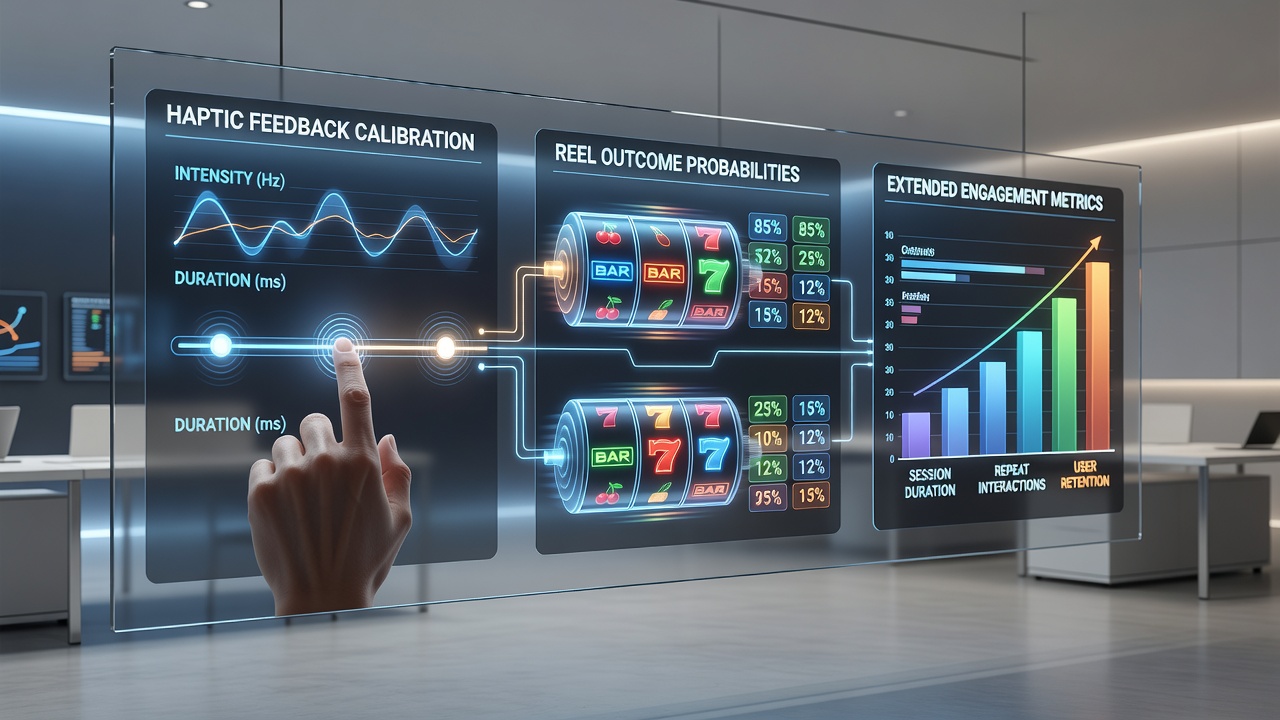
Platforms record session length, spin count, and feature activation rates alongside the specific haptic parameters active during each reel cycle, then aggregate these figures into reports that regulators review during periodic audits. Research conducted by academic teams at institutions studying digital gambling behavior indicates that synchronized haptic and probability layers correlate with higher completion rates for multi-spin bonus sequences, though the strength of that correlation varies by device type and network latency. Operators feeding these datasets into machine-learning models can predict when calibration drift might occur, prompting preemptive adjustments before compliance thresholds are breached.
Cross-jurisdictional comparisons reveal that markets with stricter sensory advertising rules also maintain tighter tolerances on haptic amplitude, forcing operators to recalibrate more frequently when expanding into new territories. In August 2026 several providers published white papers detailing how they maintain separate probability-to-haptic mapping tables for each licensed region, and these documents reference testing standards issued by the Gaming Policy and Enforcement Branch in British Columbia alongside equivalent frameworks used in New Jersey.
Future Calibration Standards
Industry groups continue to develop shared guidelines that would allow operators to validate haptic calibration against a common probability framework while still satisfying individual regulatory variations, and early drafts circulated in mid-2026 emphasize transparent logging of every adjustment made to vibration timing. Those guidelines draw on existing certification processes for random number generators, extending the same audit trail requirements to the tactile output layer. As more jurisdictions adopt digital platform rules, the alignment between haptic calibration and reel probabilities is expected to become a standard line item in compliance checklists rather than an optional enhancement.
Conclusion
Calibration of haptic feedback to match reel outcome probabilities has become an established component of multi-jurisdictional platform design, supported by documented testing procedures and regulatory filings across North America, Europe, and Australia. The technical linkage between vibration patterns and approved probability tables enables operators to maintain consistent user experiences while meeting distinct legal requirements in each market, and ongoing data collection continues to refine these alignments without altering the underlying game mathematics.